5 Essential Safety Tips for Hiking the Fishermen’s Trail Cliffs
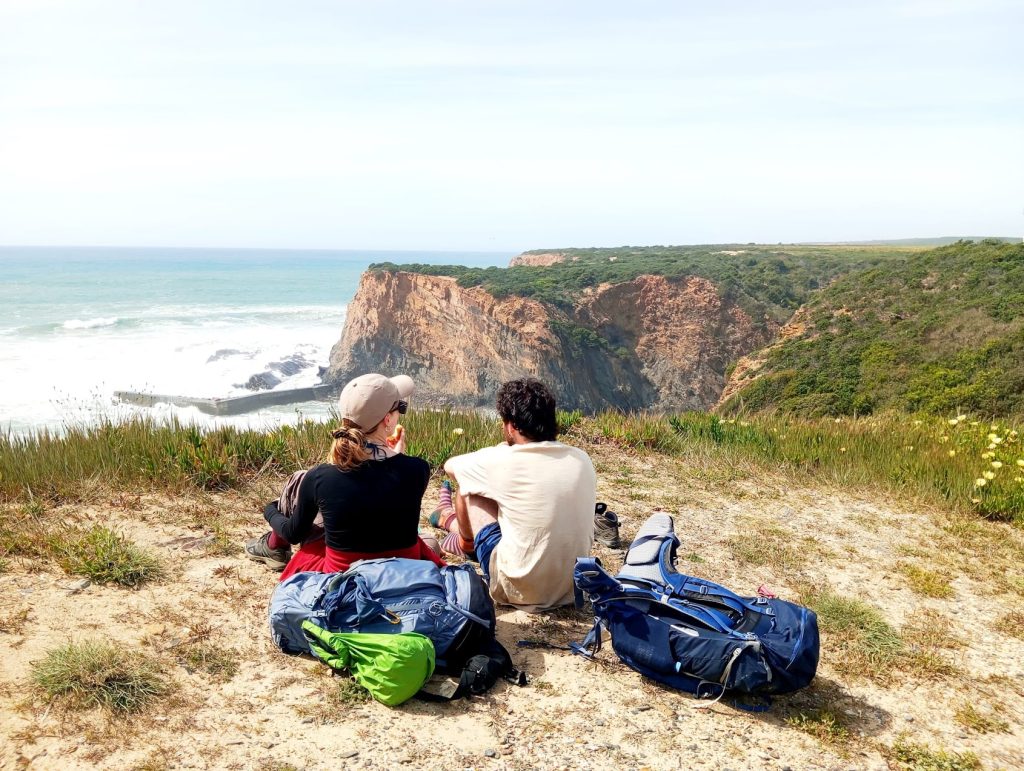
Hiking along the magnificent Atlantic cliffs of the Fishermen’s Trail (Trilho dos Pescadores) is an unforgettable experience. However, because the coastal paths run along rugged, exposed headlands and sandy terrain, safety should always come first.
Whether you are tackling a multi-day itinerary or arranging daily luggage transfers so you can hike unburdened, here are 5 essential safety tips for exploring the Vicentine Coast cliffs safely.
1. Respect the Edge and Stay Back
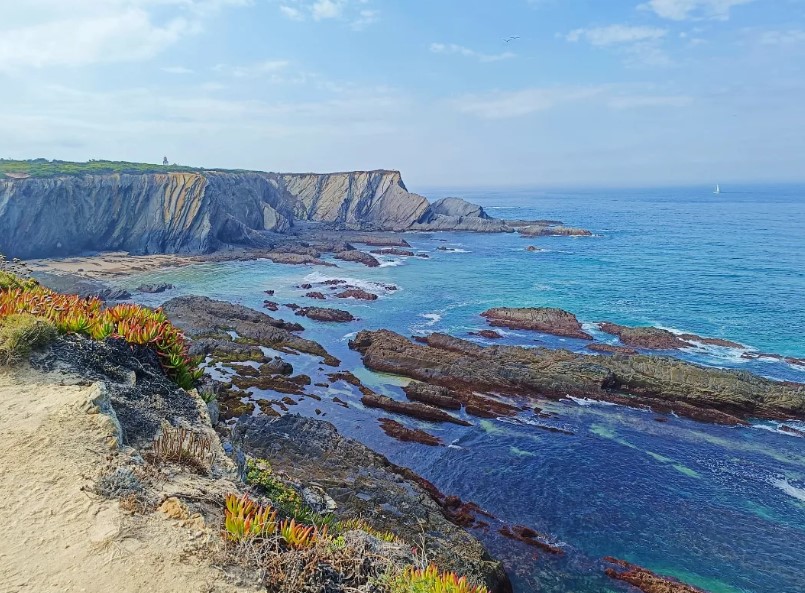
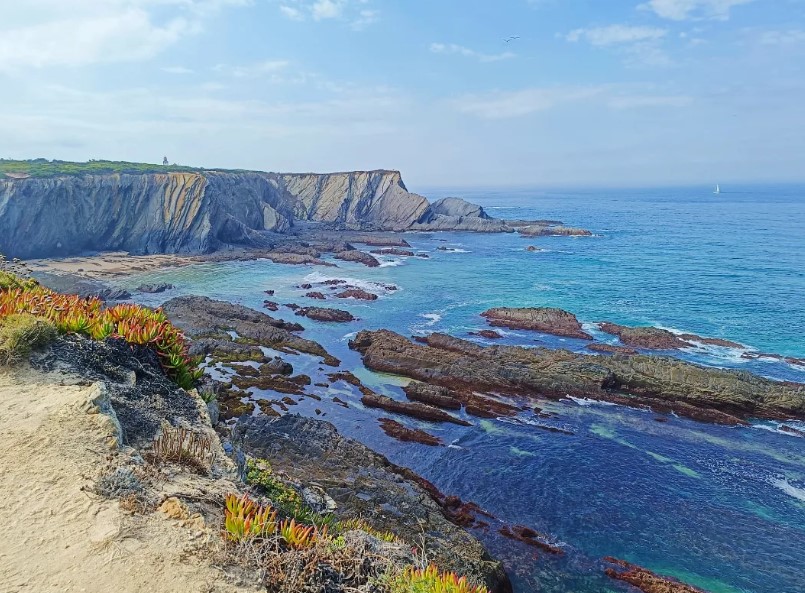
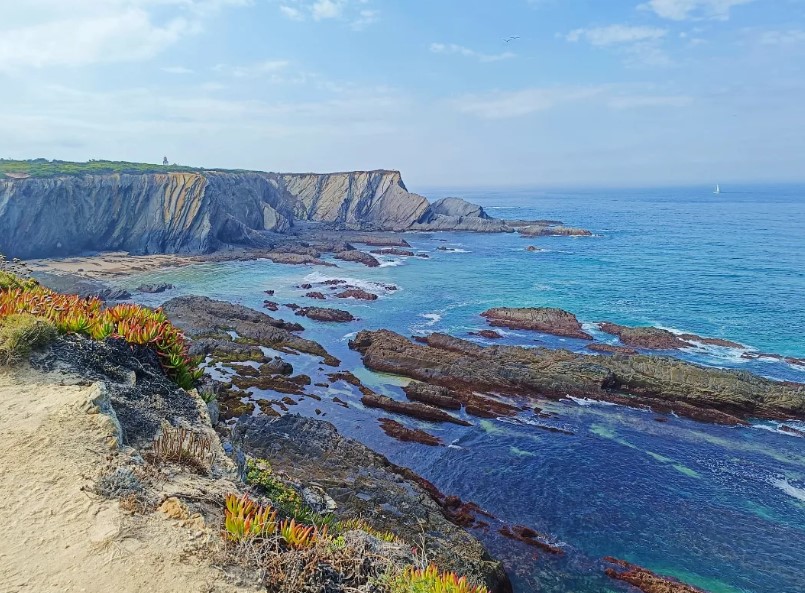
The sandstone and schist cliffs along the Vicentine Coast are subject to natural erosion, wind wear, and occasional rockfalls. Always stay well back from the cliff edges, especially in windy weather or on loose sandy paths, and strictly follow the official Rota Vicentina trail markers alongside our detailed Fishermen’s Trail stage guides.
2. Prepare for Intense Sun and Wind Exposure
Coastal weather can change rapidly. Clifftop sections offer virtually no shade, meaning the sun is intense even during spring and autumn. Always wear high-SPF sunscreen, a hat, and carry a windproof jacket to protect against sudden Atlantic gusts.
3. Carry Sufficient Water and Hydration
Many stages of the Fisherman’s Trail stretch across remote headlands far from villages, shops, or cafes. Dehydration can set in quickly under the sun—make sure to carry at least 2 to 3 liters of water per person every day.
4. Wear Appropriate Footwear for Deep Sand and Rock
A significant portion of the trail involves walking through loose coastal sand and uneven rocky terrain. Proper footwear—such as sturdy trail shoes or hiking boots with good ankle support—prevents strains and keeps your footing secure.
5. Hike Light by Using Luggage Transfer Services
Carrying a heavy backpack over 15 to 20 kilometers of soft sand and steep cliff ascents increases fatigue and affects your balance on uneven paths. Based in Odeceixe and acting as an official Rota Vicentina partner since 2013, Nature Trekks transports your main luggage daily from hotel to hotel across all 13 stages—allowing you to hike safer and lighter with just a small daypack.
For full information, check our Luggage Transfer FAQ (EN) or message us directly on WhatsApp to coordinate your dates.